Practical guidance on healthcare technology, downloadable product information and answers to common procurement questions.
Healthcare Technology Articles
Guides for better equipment decisions.
· Laboratory · 6 min read
Choosing the Right Laboratory Equipment
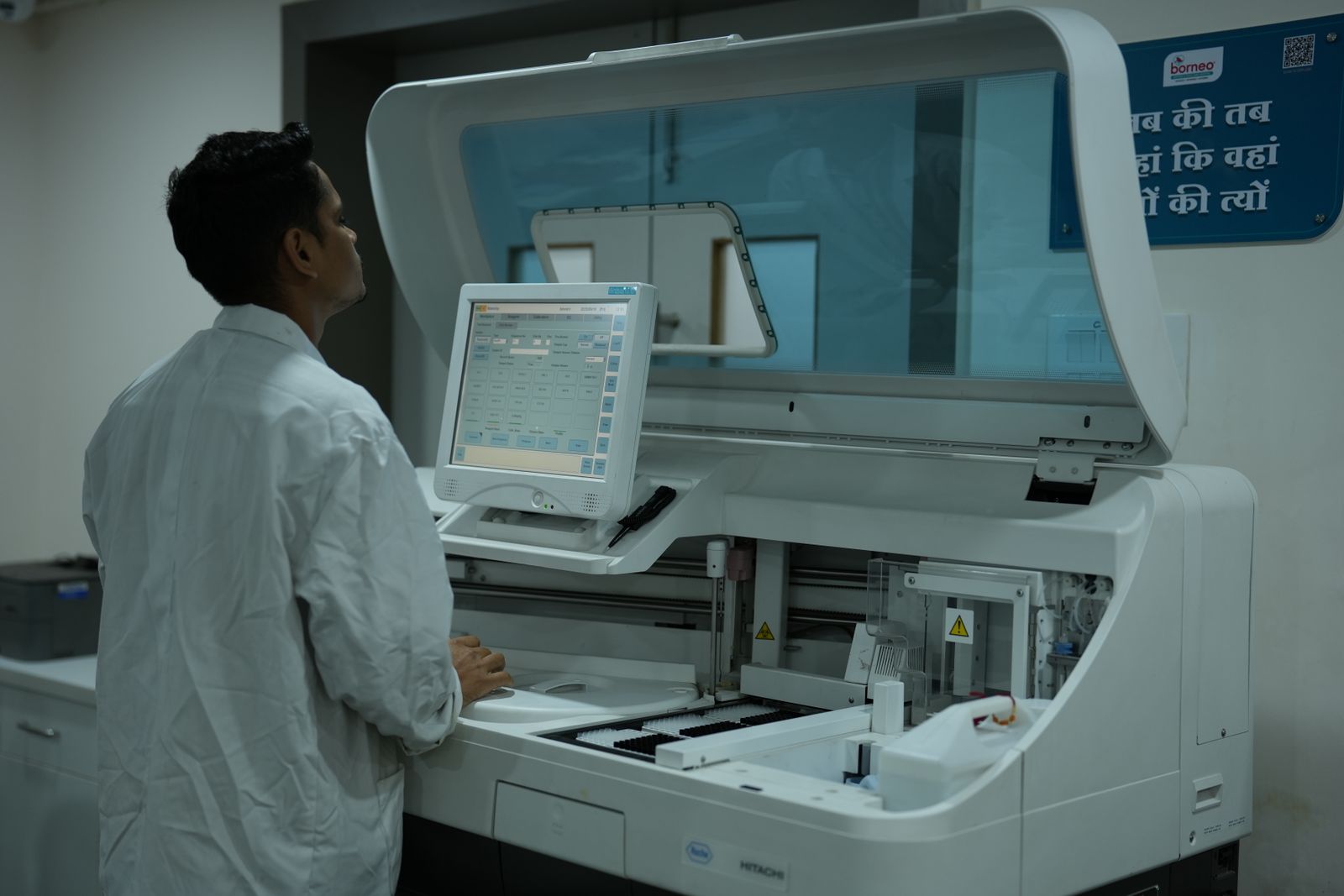
Selecting a laboratory analyser is a long-term decision. The right choice balances clinical needs, workload, running costs and support — not just the purchase price.
1. Start with your test menu and volumes
List the tests you run today and those you plan to add. Estimate daily sample volumes and peak periods. A small clinic laboratory and a busy hospital laboratory need very different throughput, automation and walk-away time.
2. Understand reagent and consumable supply
The cost of running an analyser over its lifetime is often driven by reagents, controls, calibrators and consumables. Ask whether the system is open or closed, how reagents are packaged, and how reliably they can be supplied locally — including shelf-life and cold-chain needs.
3. Check site requirements
Stable power supply and protection (UPS / voltage stabilisation)
Bench space, ventilation, and room temperature limits
Water quality requirements for some chemistry analysers
4. Plan for quality control and connectivity
Built-in QC tools, data storage and LIS connectivity reduce transcription errors and support accreditation efforts.
5. Don't overlook training and service
Confirm what installation, user training, preventive maintenance and technical support are included — and how quickly support can respond. Downtime in a laboratory directly affects patient care.
The Role of Advanced Diagnostic Imaging in Modern Healthcare
Diagnostic imaging is central to modern care pathways — from emergency triage to maternal health and chronic disease management.
Digital radiography: speed and workflow
Digital radiography (DR) produces images within seconds, removing film processing and making images easier to store, share and review. For busy departments, faster image availability can shorten patient waiting times and support quicker clinical decisions.
Ultrasound: versatile and radiation-free
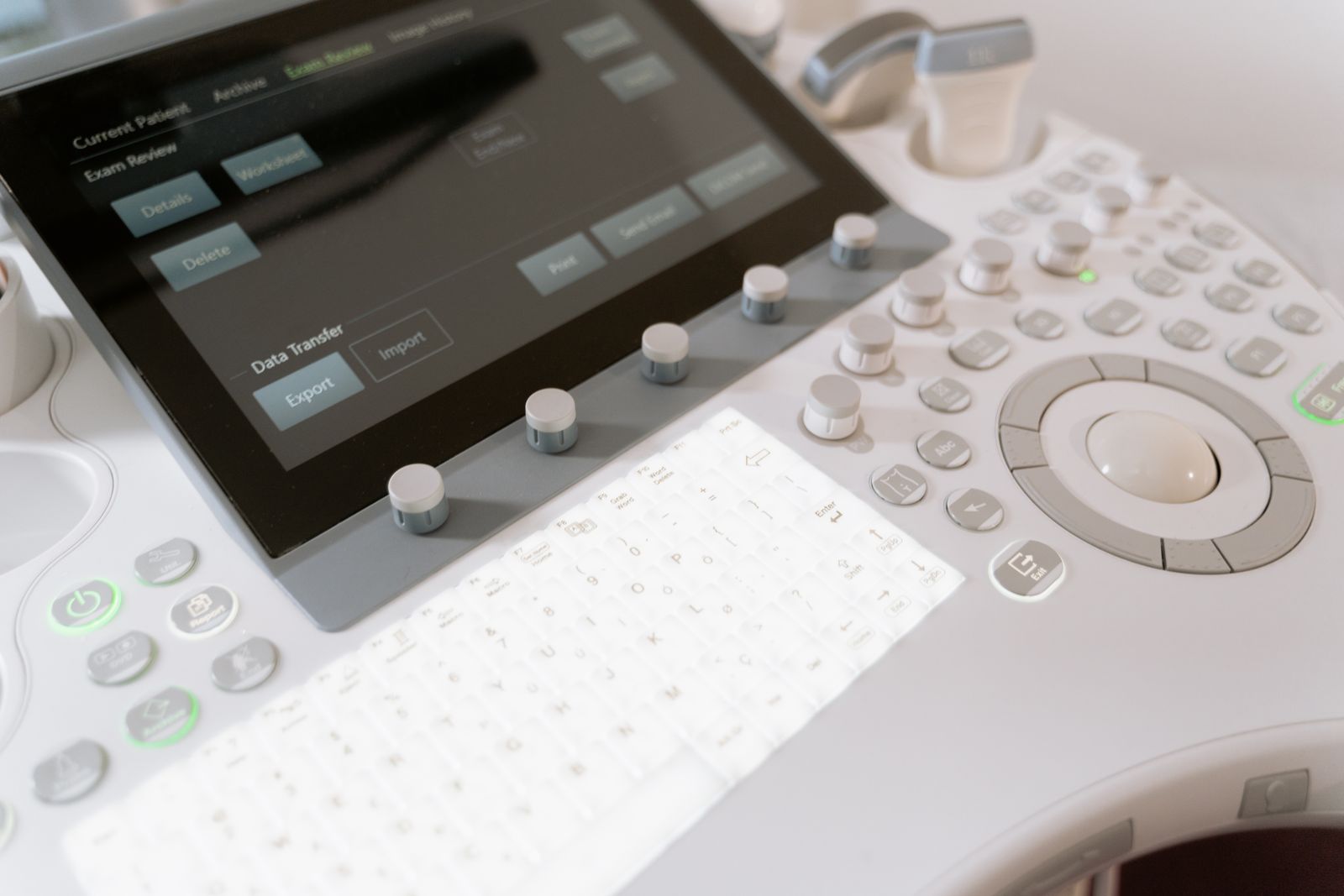
Ultrasound is widely used in obstetrics, abdominal, vascular and cardiac assessment. Portable systems extend imaging to clinics, wards and outreach settings, while cart-based colour Doppler systems support more advanced applications.
Planning an imaging project
Define clinical applications and expected patient volumes
Assess room size, shielding (for X-ray) and power requirements
Consider image storage, viewing and reporting workflows (DICOM / PACS)
Confirm licensing and radiation-safety requirements before installation
Plan for user training, servicing and spare-parts support
Maintaining Medical Equipment for Optimal Performance
Well-maintained equipment is safer, more accurate and lasts longer. A simple preventive maintenance routine prevents many avoidable breakdowns.
Build an equipment inventory
Record every item's location, serial number, installation date, warranty status and service history. This makes it easy to schedule maintenance and plan replacements.
Follow manufacturer maintenance schedules
Daily, weekly and periodic tasks — cleaning, calibration checks, filter changes, battery checks — are defined in user and service manuals. Assign responsibility and keep simple checklists at each device.
Protect equipment from power problems
Voltage fluctuations and outages are a leading cause of electronic equipment failure. Use appropriate UPS units, stabilisers and surge protection, especially for analysers and imaging systems.
Train users and report issues early
Refresher training reduces user-related faults
Encourage staff to report unusual noises, error codes or QC drift immediately
Medical and laboratory equipment pricing depends on brand, model, configuration, quantity, delivery location and installation requirements. We provide formal quotations so that pricing reflects your exact requirements.
Add products to your quotation list from the catalogue and submit the request form, or fill in the quotation form on our Contact page. You can also call us on +254 727 249 346 / +254 722 519 475 or message us on WhatsApp.
We source products from established manufacturers and suppliers. Specific brands and models are confirmed with each quotation according to your requirements and availability. We do not claim manufacturer authorisation or exclusive distribution rights unless expressly stated.
Product availability and packaging are confirmed before quotation. Some items are supplied from stock while others are sourced to order — lead times are stated on your quotation.
We are based in Nairobi and serve customers across Kenya, with supply opportunities across the wider East African region.
Yes. We coordinate installation, commissioning, user orientation, preventive maintenance and technical support. Scope and terms are confirmed in each quotation. Radiation-emitting equipment is installed in line with applicable regulatory requirements.
Yes. We welcome procurement enquiries from hospitals, laboratories, universities, NGOs and organisations managing healthcare projects. Contact us with your tender or project requirements.